As temperatures rise and humidity levels increase, many individuals notice a shift in how their skin responds to daily moisturizers. Products that feel comfortable during cooler months may suddenly feel heavy, sticky, or overly occlusive. This seasonal change often prompts a reconsideration of one’s skincare routine, particularly the step dedicated to hydration. The goal becomes finding formulations that deliver adequate moisture without contributing to a sense of congestion or discomfort.
During summer, the skin’s natural sebum production tends to be more active. Layering rich creams on top of this can sometimes lead to a feeling of excess oiliness or, in some cases, may contribute to the development of clogged pores. This is where lightweight alternatives such as gel-creams and water-based hydrators come into consideration. These products are designed to provide hydration through a lighter texture that allows the skin to breathe while still maintaining its moisture barrier.
This article explores the concept of non-comedogenic moisturizers, the characteristics of gel-creams and water-based formulas, and how one might approach swapping heavier products for more seasonally appropriate options. The information presented is intended to offer context and guidance, not medical or dermatological advice. Individual results may vary based on skin type, environment, and other external factors.
Understanding Non-Comedogenic Moisturizers
The term “non-comedogenic” refers to a product formulation that is less likely to block pores. While no product can be guaranteed to be completely pore-clogging for every individual, non-comedogenic moisturizers are crafted using ingredients that have a low tendency to cause comedones. During summer, using such formulations can be a practical approach for those who are concerned about breakouts or congestion.
In general, non-comedogenic moisturizers avoid heavy oils, waxes, and certain silicones that may contribute to a thick film on the skin. Instead, they often rely on lighter emollients, humectants, and water-based systems. Common humectants found in these products include glycerin, hyaluronic acid, and aloe vera. These ingredients draw moisture from the environment or from deeper layers of the skin, providing hydration without a greasy residue.
When selecting a non-comedogenic moisturizer for summer, it is helpful to look at the ingredient list and texture. Products that are labeled as “oil-free” or “lightweight” often align with these criteria. However, not all oil-free products are necessarily non-comedogenic, so checking for specific formulations remains important. Many brands, including Pure Glow, offer moisturizers that are designed with summer climates in mind, using ingredients that support hydration without heaviness.
Gel-Creams: A Breathable Option
Gel-creams have gained popularity as a summer skincare staple due to their unique texture. They combine the lightweight feel of a gel with the emollient properties of a cream, resulting in a product that spreads easily and absorbs quickly. For individuals with oily or combination skin, gel-creams often provide a satisfying level of moisture without leaving a shiny finish.
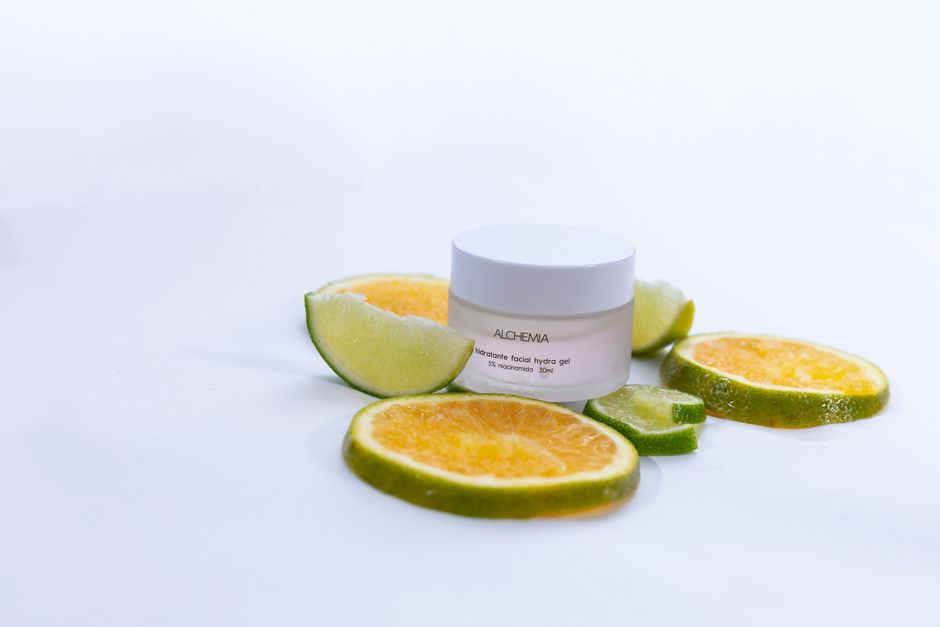
The formulation of a gel-cream typically includes a water base, often combined with polymers that create a smooth, non-sticky consistency. These polymers help the product glide over the skin and form a thin, breathable layer. Some gel-creams also contain ingredients like niacinamide or ceramides, which can support the skin barrier while maintaining a light feel. The absence of heavy oils in many gel-creams makes them a suitable option for those seeking a moisturizer that does not feel occlusive in humid conditions.
Application techniques can influence how a gel-cream performs. Applying it to slightly damp skin may enhance absorption and reduce the risk of pilling. For those new to this texture, starting with a smaller amount and gradually adjusting based on skin response can be a practical approach. It is worth noting that gel-creams may not provide enough hydration for very dry skin types, so individuals with persistent dryness might need to layer a lightweight serum underneath.
Water-Based Hydrators: Lightweight and Effective
Water-based hydrators are another category of moisturizers that are well-suited for warmer weather. These products prioritize water or hydrosols as their primary ingredient, often supplemented with humectants and minimal oils. The result is a very thin, fluid consistency that delivers hydration almost instantly without leaving any residue.
One common example of a water-based hydrator is a gel moisturizer or a watery lotion. These formulations are designed to be rapidly absorbed, making them ideal for use before makeup or sunscreen. Because they contain little to no occlusive ingredients, they do not trap heat or sebum against the skin, which can be beneficial for those prone to milia or congested pores.
Water-based hydrators often include ingredients like hyaluronic acid, which can hold many times its weight in water, or polyglutamic acid, a newer humectant with similar properties. Some products also incorporate soothing botanical extracts such as green tea or chamomile, which may help calm inflammation associated with heat and sun exposure. For individuals who enjoy a multi-step routine, these hydrators can be used as a standalone moisturizer or layered under a very light sunscreen.
When using a water-based hydrator, it is generally advisable to follow up with a sunscreen during the day, as these products typically do not provide any sun protection. Additionally, those with a compromised moisture barrier might find that water-based hydrators alone are not sufficient; in such cases, pairing them with a lightweight oil or a gel-cream can provide the balance needed.
Key Ingredients to Look For
Choosing a lightweight moisturizer often involves looking for specific ingredients that support hydration without adding unnecessary weight. Humectants are among the most important components in these formulas. Glycerin is a versatile humectant found in many products; it attracts moisture to the outer layer of the skin and helps maintain hydration throughout the day. Hyaluronic acid, available in various molecular weights, can penetrate deeper layers and offer plumping effects.
Another beneficial ingredient is squalane, which is a lightweight emollient that is structurally similar to the skin’s own sebum. Unlike heavier oils, squalane absorbs quickly and does not leave a greasy film. It is often used in gel-creams and water-based moisturizers to provide a touch of lipid content without compromising the light texture.
Niacinamide (vitamin B3) is frequently included in summer moisturizers for its ability to regulate sebum production and support the skin barrier. It is well-tolerated by most skin types and can be found in many non-comedogenic formulations. Additionally, antioxidants like vitamin E or ferulic acid may be present to help protect the skin from environmental stressors, though their concentrations vary.
For those interested in plant-based options, aloe vera is a common ingredient in water-based hydrators due to its cooling and soothing properties. However, it is important to note that not all aloe-containing products are pure; some may contain additives that alter the texture. Reading the full ingredient list is always recommended.
How to Transition Your Routine
Shifting from a heavier moisturizer to a lighter one can be done gradually to allow the skin to adapt. One approach is to begin by using the lighter product in the morning while keeping the richer option for nighttime, especially if the skin still feels dehydrated after a day in air-conditioned environments. Over time, the nighttime routine can also be adjusted if the skin no longer requires the same level of occlusion.
Layering can also play a role. For example, applying a water-based hydrator first, followed by a lightweight gel-cream, may provide sufficient moisture for those with normal to combination skin. Those with very oily skin might find that a single layer of a water-based hydrator is enough, provided it includes a humectant that holds onto moisture.
Patch testing a new product is generally a prudent step before full-face application, particularly for those with sensitive or acne-prone skin. Applying a small amount to a discrete area, such as behind the ear or along the jawline, and observing for any reaction over 24 to 48 hours can provide useful information. This practice helps minimize the risk of unexpected breakouts or irritation.
Ultimately, the choice of moisturizer depends on multiple factors, including skin type, climate, lifestyle, and personal preference. While lightweight formulas offer certain advantages during summer, they are not inherently superior for everyone. A balanced routine that respects the skin’s changing needs throughout the year is often the most sustainable approach.