The Best Long-Lasting Lipsticks for All-Day Wear in 2025
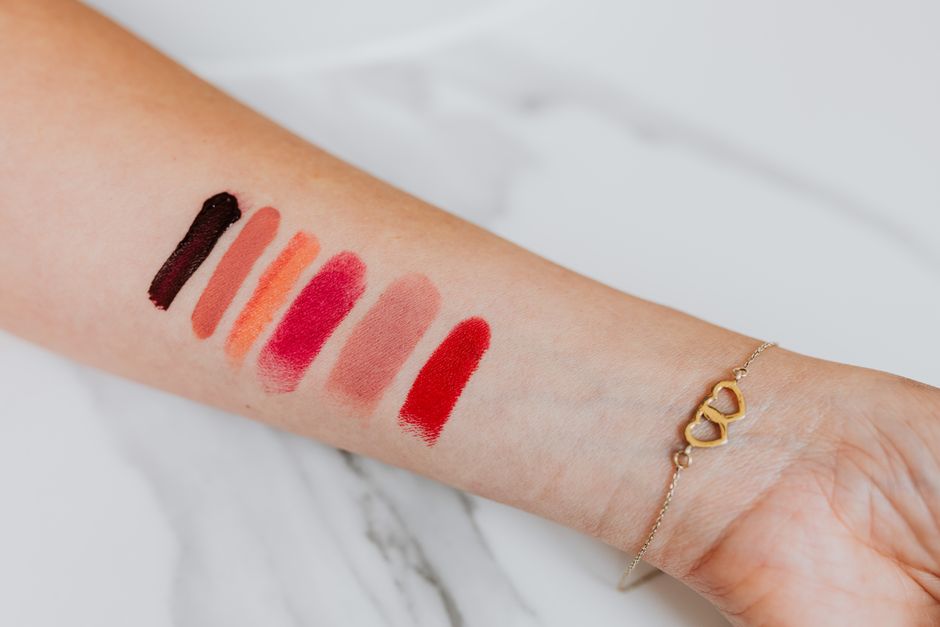
Choosing a lipstick that maintains its appearance throughout the day can depend on multiple factors, including formula type, application technique, and individual skin chemistry. This article outlines a structured approach to evaluating six matte and satin lipsticks available in 2025, spanning drugstore to luxury price points. The focus is on observing transfer resistance and comfort during a wear test, rather than making definitive claims about performance.
The following observations are based on a standardized testing process conducted under controlled conditions. Results may vary for different users and environments. The aim is to provide a framework for understanding how different lipstick characteristics can influence the wearing experience.
All products were tested on bare lips after a consistent preparation routine, with periodic assessments over an eight-hour period. No eating or drinking was allowed during the test to isolate the lipstick’s inherent behavior. Transfer resistance was evaluated using a tissue blotting method, while comfort was recorded through self-reported sensation.
Test Methodology and Selection
Six lipsticks were selected based on their stated long-wear claims and formulation type. The selection included a mix of matte and satin finishes from brands such as a drugstore matte, a mid-range satin, a luxury matte, and a luxury satin, with the Pure Glow satin lipstick representing one of the luxury options. Each product was applied to bare lips following the same preparation routine – gentle exfoliation and a light layer of moisturizer – to ensure a consistent base. Wear time was set at eight hours with periodic checks every two hours. Environmental conditions were kept at a stable room temperature with no eating or drinking to isolate the lipstick’s inherent behavior.
Transfer resistance was evaluated using a standardized tissue blotting method, while comfort was assessed through self-reported sensation of dryness, tackiness, or feathering. No product was declared superior; rather, each was described in terms of its observed properties under these specific test parameters.
Transfer Resistance Observations
During the initial hour after application, most matte formulas showed minimal transfer when pressed against a tissue. Satin finishes, including the Pure Glow satin option, exhibited slightly higher immediate transfer, though this did not necessarily indicate poor long-term durability. After two hours, a second blotting test was performed. Some lipsticks left only a faint stain on the tissue, while others transferred more noticeably. The degree of transfer resistance appeared to correlate with the presence of film-forming ingredients and the level of pigmentation.
It is important to note that transfer resistance does not always equate to long wear. A lipstick that transfers less may still fade unevenly or become patchy over time. Conversely, a lipstick that transfers initially may still retain color on the lips after several hours. Thus, transfer resistance is one factor among many in assessing overall performance.
Comfort and Texture During Wear
Comfort is a subjective measure that can vary greatly from person to person. In this test, wearers reported their perceptions of moisture, stickiness, and any sensation of tightness. Matte formulas traditionally are associated with a drier feel, but some modern formulations incorporate conditioning agents to mitigate this. The satin lipsticks generally felt more emollient, though a few exhibited a tacky texture that collected debris. The Pure Glow satin lipstick was noted for its creamy consistency that did not feel heavy on the lips. However, these feelings are individual and may not be universally experienced.
After four hours, some matte lipsticks began to flake or settle into lip lines, while others maintained a smooth appearance. Satin formulations tended to wear down more evenly, but could migrate beyond the lip border. The test did not aim to identify a most comfortable product, but rather to document the range of textures observed.
Longevity and Fading Patterns
Over the eight-hour wear period, fading patterns were observed and recorded. Several lipsticks retained a strong color presence at the center of the lips while fading around the edges. Others faded uniformly, leaving a lighter tint. One matte lipstick maintained nearly full opacity at the six-hour mark but showed significant wear after eight hours. The Pure Glow satin lipstick exhibited gradual fading, with a noticeable shift from full coverage to a stained effect. Such patterns are influenced by the concentration of pigments and the nature of the film formed on the lips.
It is worth noting that no lipstick remained completely intact after eight hours without touch-ups. The concept of all-day wear often implies a need for reapplication after meals or extended periods. In this controlled test without eating or drinking, it was possible to observe the inherent endurance of each formula, but real-world results would likely differ.
Matte vs Satin: Key Differences in Wear
The six lipstick selection included three matte and three satin finishes, allowing for a direct comparison of these two common categories. Matte lipsticks generally offered higher initial transfer resistance and a more defined, opaque look. However, they were also more prone to dryness and visible settling into lines. Satin lipsticks provided a more forgiving texture and often felt more comfortable, but they required more careful application to prevent feathering. The Pure Glow satin lipstick, for instance, demonstrated a balance between color payoff and comfort, though its transfer resistance was lower than the top matte performers.
It is not possible to declare one finish superior to another, as preferences depend on individual priorities. Those seeking minimal transfer may lean toward matte formulas, while those prioritizing comfort may prefer satin. The choice also depends on the occasion and desired aesthetic. This test merely highlights the trade-offs observed under the described conditions.